
Wholesale Coffee Beans in the Philippines
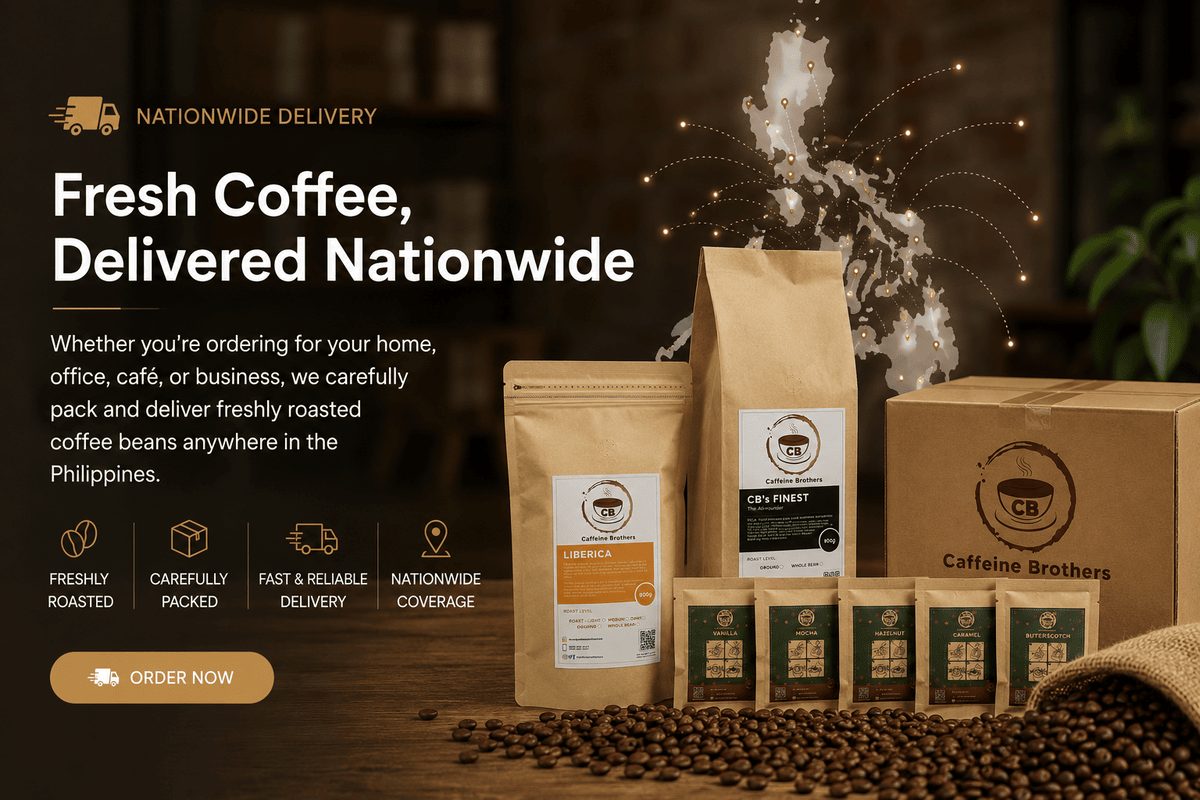
Freshly roasted Philippine coffee in 10 kg boxes, from ₱773/kg. Whole bean or ground, delivered nationwide, with a free sample before you commit.
- 10 kg minimum
- Free Metro Manila delivery
- VAT-exempt, invoice and OR issued
Per-kg prices for every coffee
Live prices from our shop. Savings compare the 10 kg per-kg price with buying 1 kg bags.
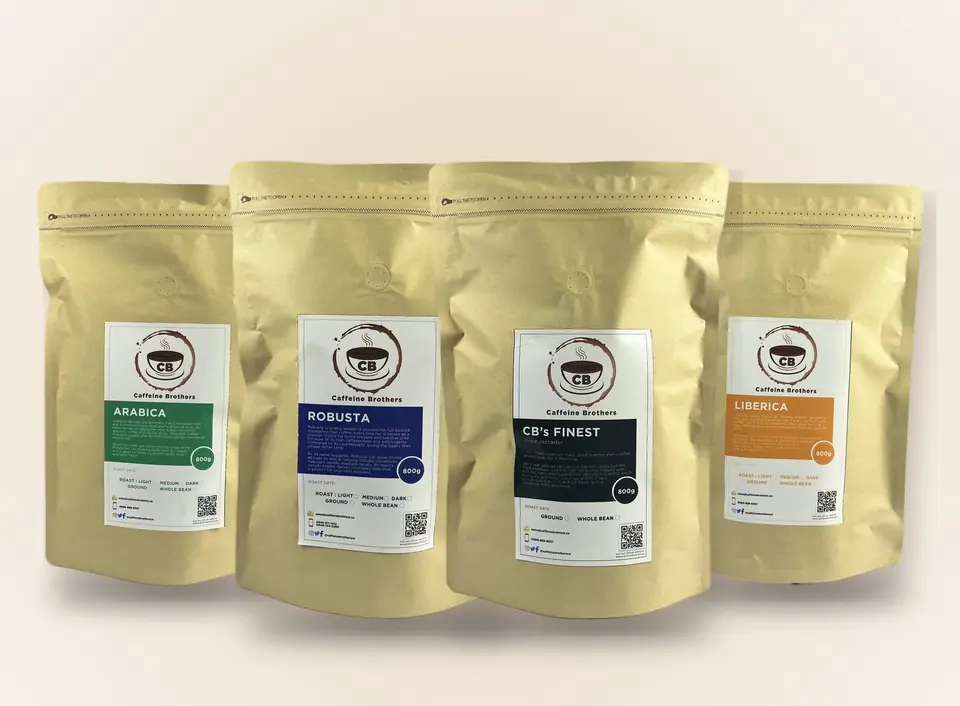
| Coffee | Roast | Origin | Taste | 10 kg box | Per kg | vs 1 kg bags | Beans per cup* | Best for | |
|---|---|---|---|---|---|---|---|---|---|
 Robusta Robusta | Dark | Batangas | Bold, chocolatey, strong body | ₱7,730 | ₱773 | save ~5% | ₱14.65 | Espresso, milk drinks, iced coffee | Order |
 Kapeng Barako Kapeng Barako | Dark | Batangas (Liberica) | Smoky, woody, very bold | ₱8,160 | ₱816 | save ~5% | ₱15.46 | Brewed coffee, carinderias, offices | Order |
 CB’s Finest CB’s Finest | Medium-dark | Southern Tagalog + Benguet | Balanced, nutty, caramel | ₱8,300 | ₱830 | save ~4% | ₱15.73 | House blend for cafés | Order |
 Arabica-Robusta Blend Arabica-Robusta Blend | Medium-dark | Arabica + Robusta | Rich aroma, bold body, crema | ₱9,420 | ₱942 | save ~5% | ₱17.85 | All-round house coffee | Order |
 Arabica Arabica | Medium | Benguet | Bright, fruity, smooth | ₱10,150 | ₱1,015 | save ~5% | ₱19.23 | Pour-over, specialty menus | Order |
*Bean cost per cup = per-kg price × 18 g ÷ (1,000 × 0.95), allowing 5% waste. Beans only: excludes milk, cups, labor and overhead.
Compare the delivered price, not the headline price
A low per-kg price can end up costing more once tax and delivery are added. Compare quotes on the full amount you pay, divided by the kilograms you receive.
Example quote (illustration only)
Caffeine Brothers Robusta, Metro Manila
Formula: (beans + tax + delivery + other charges − discounts) ÷ kg received. Orders outside Metro Manila add courier rates. Planning your menu? See our coffee cost per cup breakdown.
5 checks before you choose a coffee supplier
Use these with any supplier, including us.
Know what you are buying
Species or blend, origin, roast level, and whether it is whole bean or ground.
Confirm the quantity
Minimum order, pack size, and whether volume pricing applies.
Get the full total
Tax, delivery, packaging and any payment charges.
Agree on timing
Roast date, dispatch, arrival, and what happens if a coffee runs out.
Test your recipe
Try samples at the dose and in the drinks you will actually sell.
Wholesale terms at a glance
Minimum order
10 kg per box
Lead time
Metro Manila: 1–3 days. Outside Metro Manila: 3–7 days.
Delivery
Free in Metro Manila. Provinces: courier rates, contact us to arrange.
Payment
Cash on delivery, GCash or credit card
Grind
Whole bean or ground to your brewer
Receipts
VAT-exempt. We issue an invoice, OR and delivery receipt.
How wholesale ordering works
Tell us your volume
Use the form below or message us.
Try a free sample
Taste your shortlisted coffees before you order.
Order by the box
10 kg boxes, paid by COD, GCash or card.
Fast delivery
1–3 days in Metro Manila (free), 3–7 days elsewhere.
Wholesale delivery areas
Metro Manila: free delivery, 1–3 business days. Rest of Luzon, Visayas and Mindanao: courier rates, 3–7 days.
Local supply pages: Coffee bean supplier in Manila · Makati · Cebu
Private label coffee
Sell coffee under your own brand, roasted by us. Minimum 50 kg. Toll packaging also available.
Pantry supplies, on request
Buying coffee for your office or café? We can also supply the rest of your coffee station and deliver it together with your coffee order. Pantry supplies are available on request for wholesale and corporate customers, and we include them in your coffee quote.
Ask about pantry supplies- Non-dairy creamer
- White & brown sugar
- Muscovado sugar
- Paper cups
- Stirrers
- Other pantry items
Wholesale coffee FAQ
What is your minimum wholesale order?
Our wholesale coffee comes in 10 kg boxes, so the minimum order is one 10 kg box. Ordering more than one box a month? Contact us about volume pricing.
How fast do you deliver?
Metro Manila orders arrive in 1 to 3 days, and delivery within Metro Manila is free. Orders outside Metro Manila take 3 to 7 days and are charged at courier rates. Contact us to arrange delivery to your area.
Can you grind the beans for my machine?
Yes. Choose whole beans or ground coffee when you order, and tell us your brewer (espresso machine, drip, French press) so we can grind it to suit.
What payment methods do you accept?
Cash on delivery, GCash and credit cards.
Do you issue VAT invoices?
Caffeine Brothers is VAT-exempt, so there is no VAT added to our prices. We issue an invoice, official receipt (OR) and delivery receipt with every order.
Is the cheapest price per kg the best buy?
Not always. Compare the delivered cost (beans plus tax, delivery and other charges, divided by the kilograms you receive), the taste in your actual drinks, and how reliable the delivery is. Ask for a sample and test it at the dose you will serve.
Can I try the coffee before ordering?
Yes. Businesses can request a free sample to test in their own recipes before placing a wholesale order.
Do you also supply creamer, sugar and paper cups?
Yes, on request for wholesale and corporate customers. We can add non-dairy creamer, white, brown and muscovado sugar, paper cups, stirrers and other pantry supplies to your coffee order and deliver them together. Tick what you need in the quote form and we will include it in your quote.
Can I sell coffee under my own brand?
Yes. We offer private label coffee from a minimum of 50 kg, and toll packaging is also available. Contact us with your volume and packaging needs.
Try before you order
Free sample for cafés and offices in the Philippines.
Related guides: beans-per-month calculator · supplier negotiation framework · best Philippine coffee brands