
Coffee Jelly Recipe: How to Make Coffee Jelly at Home
By Robin Salvador, co-founder, Caffeine Brothers
Last updated: October 5, 2026
Coffee jelly recipe quick answer: For four servings, dissolve 10 g unflavoured powdered gelatin in 60 ml cold water, bloom it, then stir it into 400 ml hot, strongly brewed coffee with 35–50 g sugar. Chill until firm, cut into cubes and serve with cold milk or cream. Adjust sweetness after considering the condensed milk used in the glass.
Ingredients for four servings
| Ingredient | Starting amount | Why it is there |
|---|---|---|
| Strong brewed coffee | 400 ml | Main flavour; brew slightly stronger because chilling mutes aroma |
| Unflavoured powdered gelatin | 10 g | Sliceable but tender set |
| Cold water | 60 ml | Blooms gelatin evenly |
| Sugar | 35–50 g | Sweetens the jelly |
| Cold milk, cream or evaporated milk | 300–400 ml | Finishes each serving |
| Optional condensed milk | 15–25 ml per glass | Adds sweetness and body |
The gelatin quantity is a practical starting point, not a laboratory specification. Bloom strength varies by brand, so check the packet instructions.
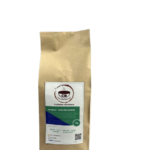
Freshly roasted Philippine coffee
Shop our coffee beans: Arabica, Robusta, Kapeng Barako and signature blends, roasted daily in Manila, whole bean or ground. Not sure which? Take the Coffee Match Quiz.
Shop Coffee Beans →Method
- Bloom the gelatin. Put the cold water in a small bowl, sprinkle gelatin over it and leave it for 5–10 minutes. Do not add dry gelatin directly to hot coffee.
- Brew the coffee. Use 400 ml hot coffee. The coffee-to-water ratio chart helps when scaling the brew.
- Dissolve. Stir sugar into the hot coffee. Add the bloomed gelatin and stir until no grains remain. Avoid a hard boil.
- Set. Pour into a shallow container and refrigerate for at least four hours, preferably overnight.
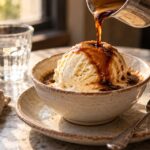
- Cut and serve. Slice into 1–2 cm cubes. Spoon into four glasses and add chilled milk, cream or a little condensed milk.
Coffee strength and serving options
Weak coffee disappears under dairy. A full-bodied Caffeine Brothers Arabica–Robusta Blend is a suitable starting choice for a bold, chocolate-forward base. Brew it as you normally would and weigh the finished liquid when doubling the recipe.
For a lighter dessert, use cold milk and less sugar in the jelly. For café service, keep the jelly less sweet and add condensed milk to the glass. For a plated dessert, pour sweetened cream over the cubes and finish with cocoa or shaved chocolate.
Troubleshooting
- Rubbery cubes: Use less gelatin next time or cut smaller cubes.
- Soft or broken cubes: Bloom fully and allow more chilling time; warm storage softens the set.
- Bitter finish: Use a cleaner extraction or a slightly lighter roast.
- Cloudy jelly: Filter coffee and stir until gelatin is completely dissolved.
Sources and context
- Nestlé Goodnes Philippines: Coffee Jelly presents a serving approach using cream and condensed milk.
- NESCAFÉ Philippines: Caramel Coffee Jelly provides another preparation and flavour variation.
- Glico Japan: Coffee jelly explains the dessert’s Japanese context and serving style.
Serving and storage
Keep the set jelly covered and refrigerated. Make only the amount you can serve within a short chilled holding period, and keep dairy cold until assembly. For a party, cut the cubes ahead, but add milk or cream close to serving so the drink does not become watery. Smaller cubes work well with a straw; larger cubes make a spoon dessert. If you are scaling for a café, record the cooked batch weight, portion size and discarded trim so the recipe cost reflects the actual yield.
Try it at home: Make the four-serving batch first, then change one variable at a time. For café costing, include gelatin, dairy, cup or dessert glass and chilled holding time in your café menu pricing calculator.
Research-only reframe: This guide synthesizes published coffee-jelly recipes and technique guidance. Caffeine Brothers did not perform the coffee-jelly preparation or tasting described in the calendar brief, so the ratios are starting recommendations rather than Caffeine Brothers test results.
 Previous Post
 Next Post