
Kapeng Barako With Muscovado: A Bold Filipino Coffee Recipe
By Robin Salvador, co-founder, Caffeine Brothers
Last updated: October 10, 2026
Kapeng Barako with muscovado is a bold Filipino coffee pairing: brew 30 g of ground coffee with 450 ml of water for two cups, then add 5–10 g of muscovado per cup. Start with less sugar so the coffee remains clear.
Kapeng Barako With Muscovado Ingredients
| Ingredient | Starting amount | Notes |
|---|---|---|
| Kapeng Barako ground coffee | 30 g | Medium-coarse for pot or French press |
| Filtered water | 450 ml | Heat just below a rolling boil |
| Muscovado sugar | 10–20 g total | Add after brewing, 5–10 g per cup |
“Kapeng Barako” can describe a Philippine coffee style and cultural identity as well as coffee associated with Liberica. Check the label for species, origin and roast instead of assuming every product has identical botanical or sensory characteristics. Read our Kapeng Barako origin and misconception guide for background.
Pot Method
- Bring 450 ml water to a boil and rest it about 30 seconds.
- Add the coffee and water to a saucepan or coffee pot; stir once.
- Steep four minutes without aggressively boiling the grounds.
- Strain into two cups, then add 5 g muscovado to each and adjust.
French Press Method
Add 30 g medium-coarse coffee and 450 ml hot water. Stir, steep four minutes and press slowly. The fuller body makes the molasses note noticeable. Use this coffee-to-water ratio chart to scale the recipe.
Drip Method
Use the same 1:15 starting ratio: 30 g coffee to 450 g water. Choose a medium grind and pour in stages. Drip brewing gives a cleaner cup, so muscovado can taste more distinct. If it is intense, dilute with hot water before changing the sugar.
Why Muscovado Works With Barako
Muscovado is moist, unrefined brown sugar with retained molasses. Its dark caramel character can complement the smoky, woody notes often associated with a bold Barako-style cup. Add it after brewing so you can taste the coffee before sweetening; dissolve clumps in a spoonful of hot coffee.
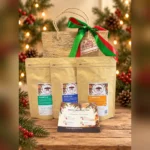
For a product-led service, see Caffeine Brothers Kapeng Barako coffee beans and describe species and origin exactly as shown on the package. For café planning, the supplier negotiation framework and beans-per-month calculator help separate coffee volume from sweetener and service costs.
Troubleshooting
- Too bitter: use a coarser grind, shorter steep or cooler water.
- Too thin: increase coffee to 32–33 g or extend steep time slightly.
- Sediment: filter pot coffee or let French press coffee settle before pouring.
- Overly sweet: start at 5 g per cup and add 2–3 g at a time.
Frequently Asked Questions
Is Kapeng Barako always Liberica?
The name is closely associated with Philippine Liberica, but labels can vary. Verify the species and origin with the roaster or package.
How much muscovado should I use?
Start with 5 g per cup, taste, then add up to 10 g if you want a sweeter molasses profile.
What ratio should I use?
Start at 1:15 by weight—30 g coffee to 450 ml water—and adjust grind or dose to taste.
Sources
- Kapeng Barako PH brewing guide (pot, French press and drip methods).
- Baku Kitchen Kapeng Barako guide (serving with sugar, including muscovado).
- DENR muscovado overview (unrefined brown sugar description).
For a balanced first cup, weigh both coffee and water, keep the brew time consistent, and change one variable at a time. Water quality, grind size and roast level can shift perceived sweetness, so record the dose and method in a small brew note. This makes the recipe easier to repeat at home or scale for a café service.
Research-only reframe: This guide synthesizes published Kapeng Barako brewing guidance and references on muscovado and Philippine coffee terminology. Caffeine Brothers did not perform a Kapeng Barako and muscovado tasting or brew comparison described in the calendar brief, so the ratios and flavour guidance are starting recommendations rather than Caffeine Brothers test results.
 Previous Post